Coastal communities for sustainable management of marine and dune habitats in the N2000 Network
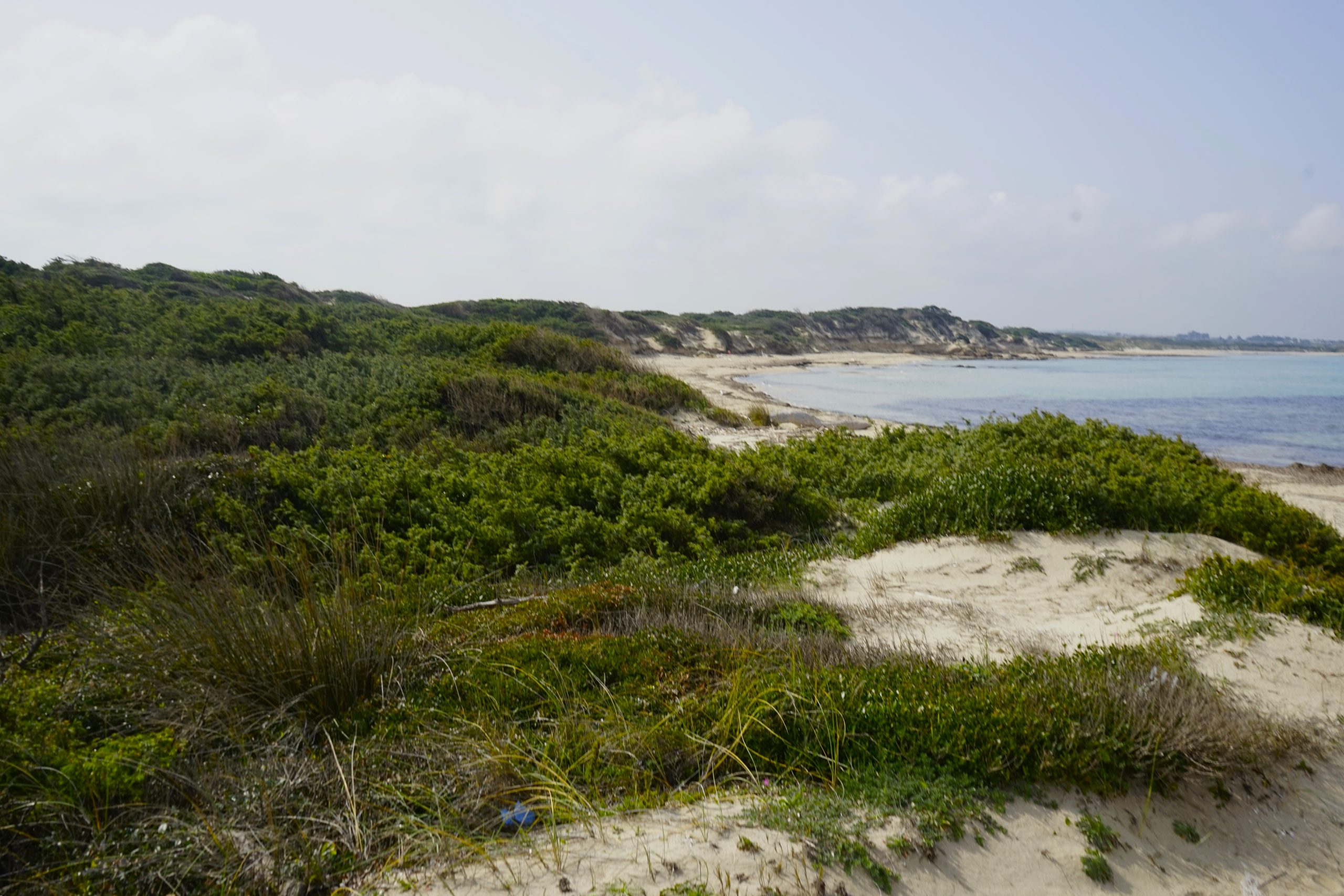
The heart of the Mediterranean under pressure:
Despite their importance, these ecosystems face unprecedented threats:
Human pressure
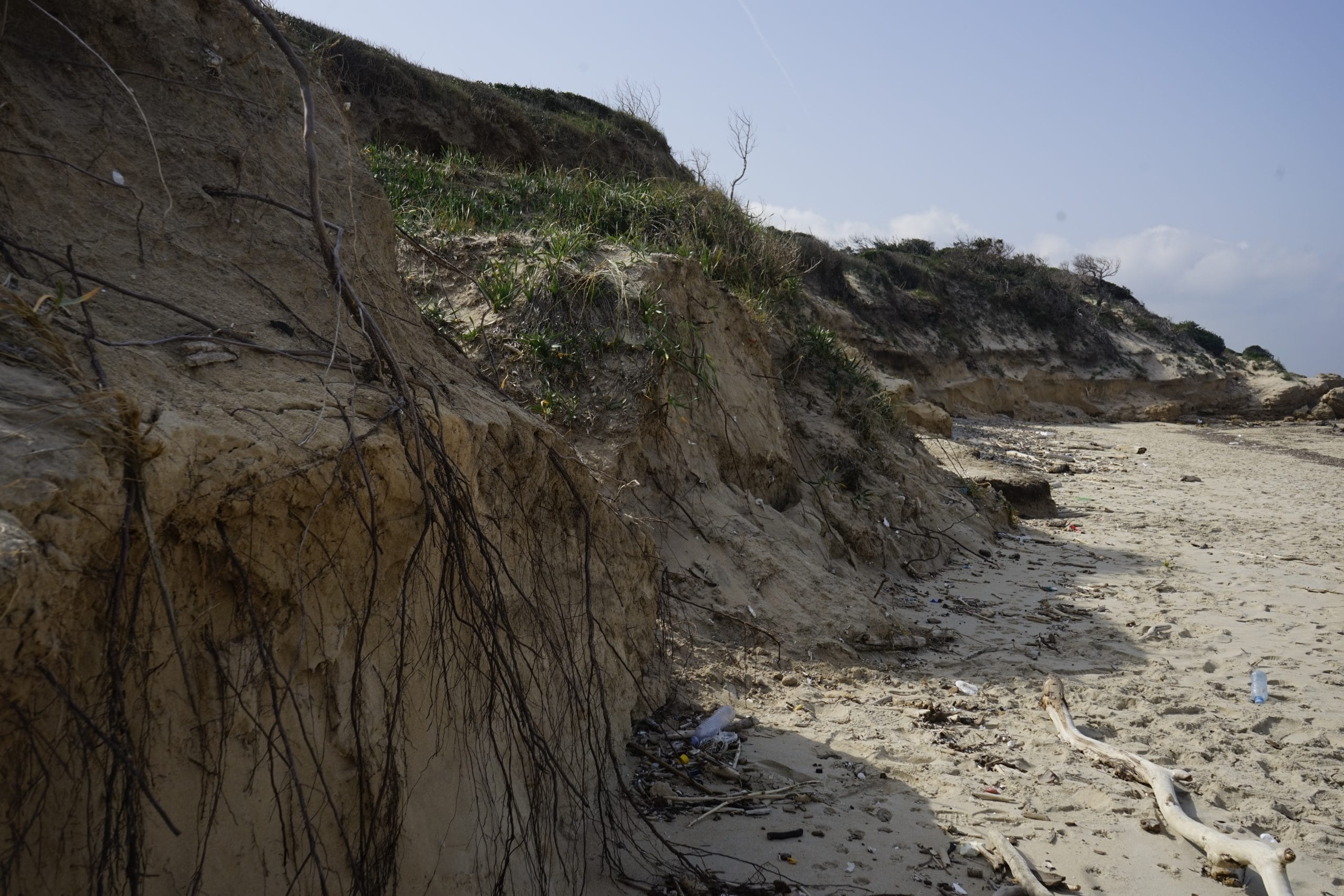
Uncontrolled coastal development, heavy tourist traffic and mechanical beach cleaning disrupt the continuity of habitats. The removal of banquette (remnants of Posidonia) and trampling of embryonic dunes interrupt the natural accumulation of sediment, making the coastline more fragile and less able to regenerate.
Alien Plant Species

The spread of invasive exotic plants, such as Carpobrotus edulis, poses one of the main threats to local biodiversity. These species rapidly colonise the dunes, altering the soil composition and displacing native vegetation, which is essential for the natural stabilisation of the sand.
Climate Vulnerability
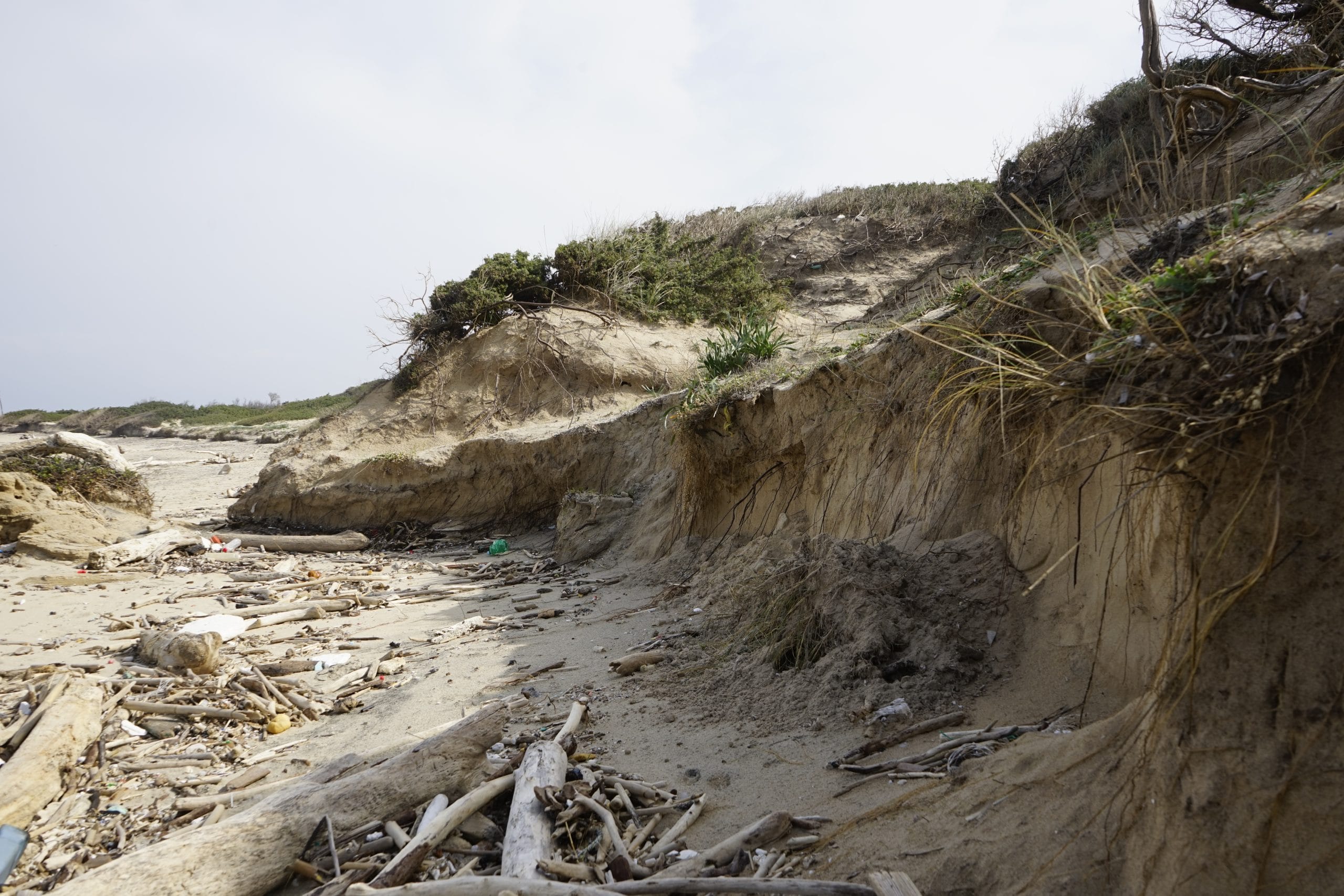
The decline of coastal habitats is undermining their role as a natural barrier; erosion and extreme weather events are threatening this function. Without intact and functional dune systems, coastal areas lose their natural protection against rising sea levels and the increasing frequency of storm surges, exposing the coast and the hinterland to a greater risk of flooding.
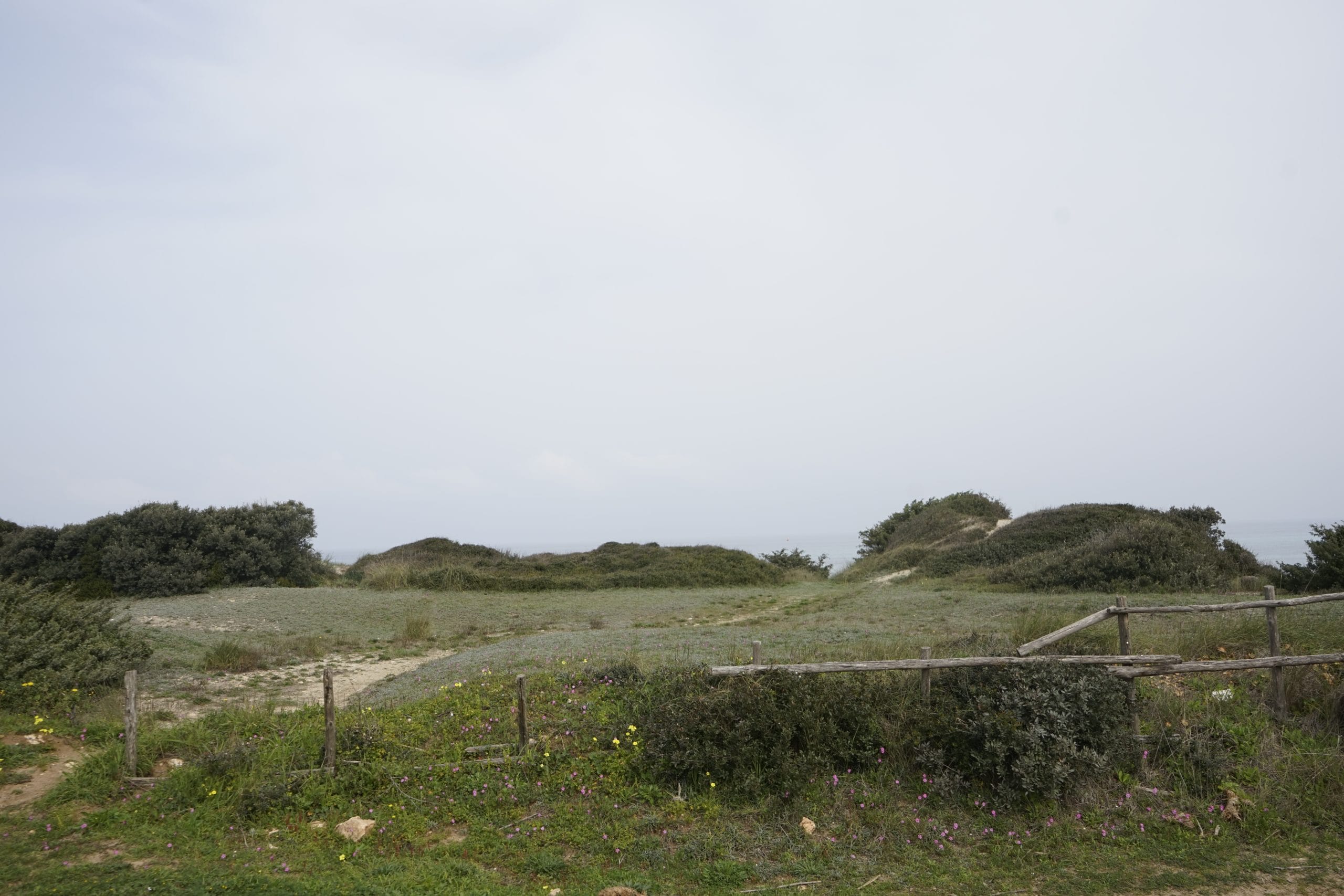
The main LIFE terrAmare objectives:
Improving the conservation status of coastal habitats
Reducing Invasive Alien Plant Species (IAPS)
Ecological Beach Communities: active involvement of local communities
Promoting sustainable and responsible tourism
Target Habitats
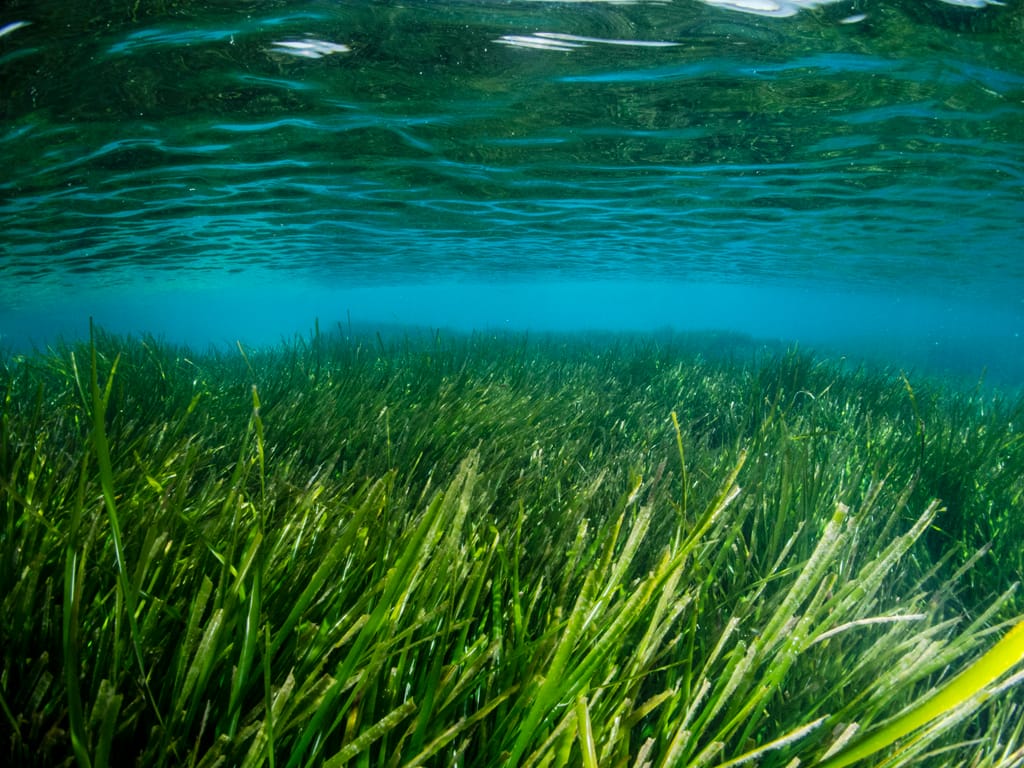
Priority habitat consisting of seagrass beds of Posidonia oceanica (Code 1120*). It plays a crucial role in protecting coastlines from erosion, generating oxygen and sequestering carbon (Blue Carbon). The project covers approximately 648 hectares in Italy to reduce the degradation caused by moorings and fishing.
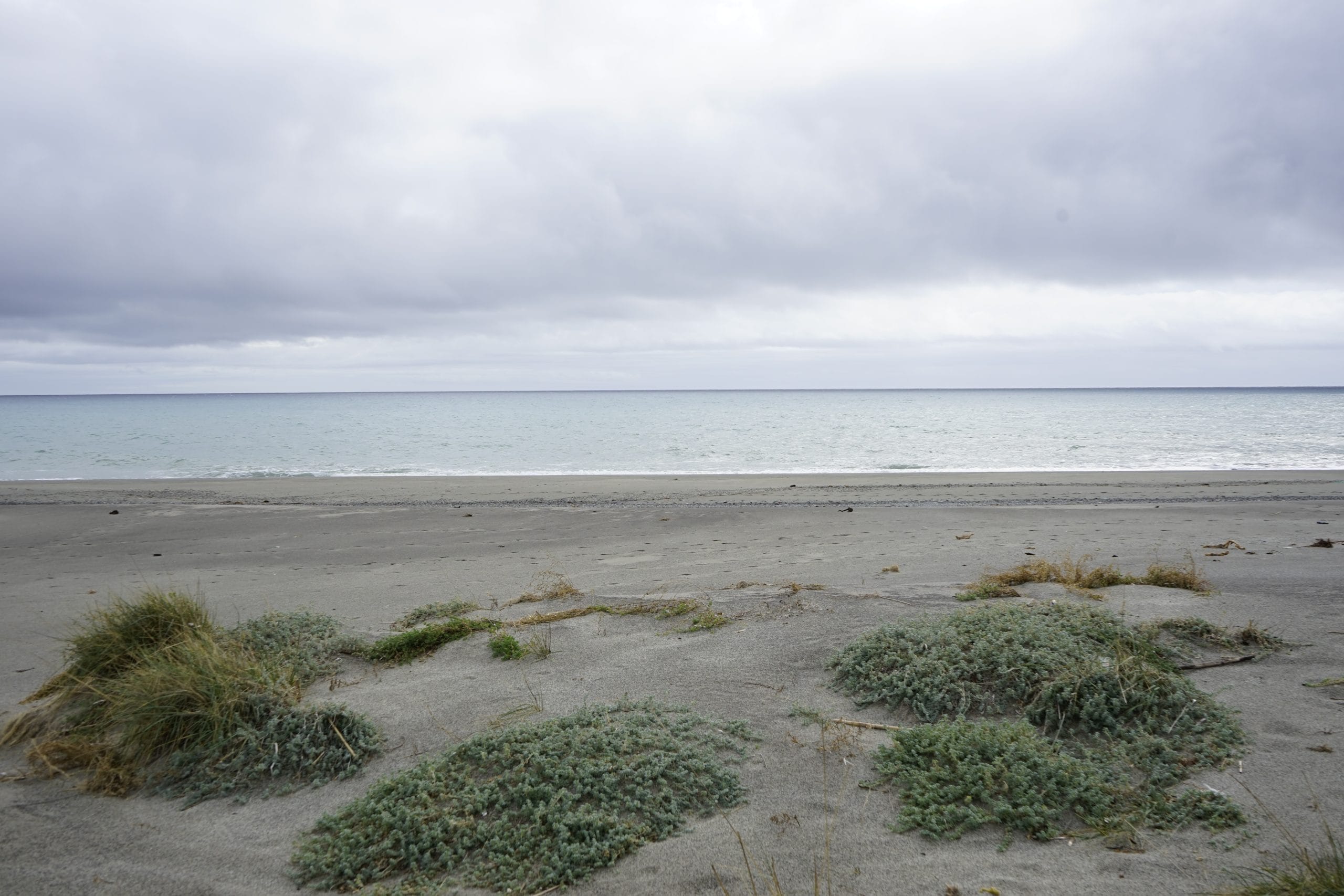
Annual vegetation of marine sedimentary lines (Code 1210): pioneer and ephemeral formations that develop on accumulations of organic material washed up by the waves onto the foreshore.
Mobile embryonic dunes (Code 2110): these represent the initial stage of dune formation and are colonised by rhizomatous plants such as Thinopyrum junceum which begin to retain the sand.
Shifting dunes of the coastal bar with the presence of Ammophila arenaria (Code 2120): also known as ‘white dunes’, they are characterised by the presence of marram grass (Ammophila arenaria), which is essential for the structural stability of the dune system.
Fixed dunes of the Crucianellion maritimae coastline (Code 2210): these are found in the more stable, inland areas (grey dunes), characterised by carpets of mosses, lichens and species such as Crucianella maritima.
Coastal dunes with Juniperus spp. (Code 2250*): priority habitat consisting of juniper scrub (Juniperus oxycedrus and J. phoenicea) which stabilise mature dunes and enhance the site’s biodiversity.
Project sites in Italy and Greece
648 hectares of Posidonia to restore
160 hectares of dunes to protect in Italy
247 hectares of dunes protect in Greece
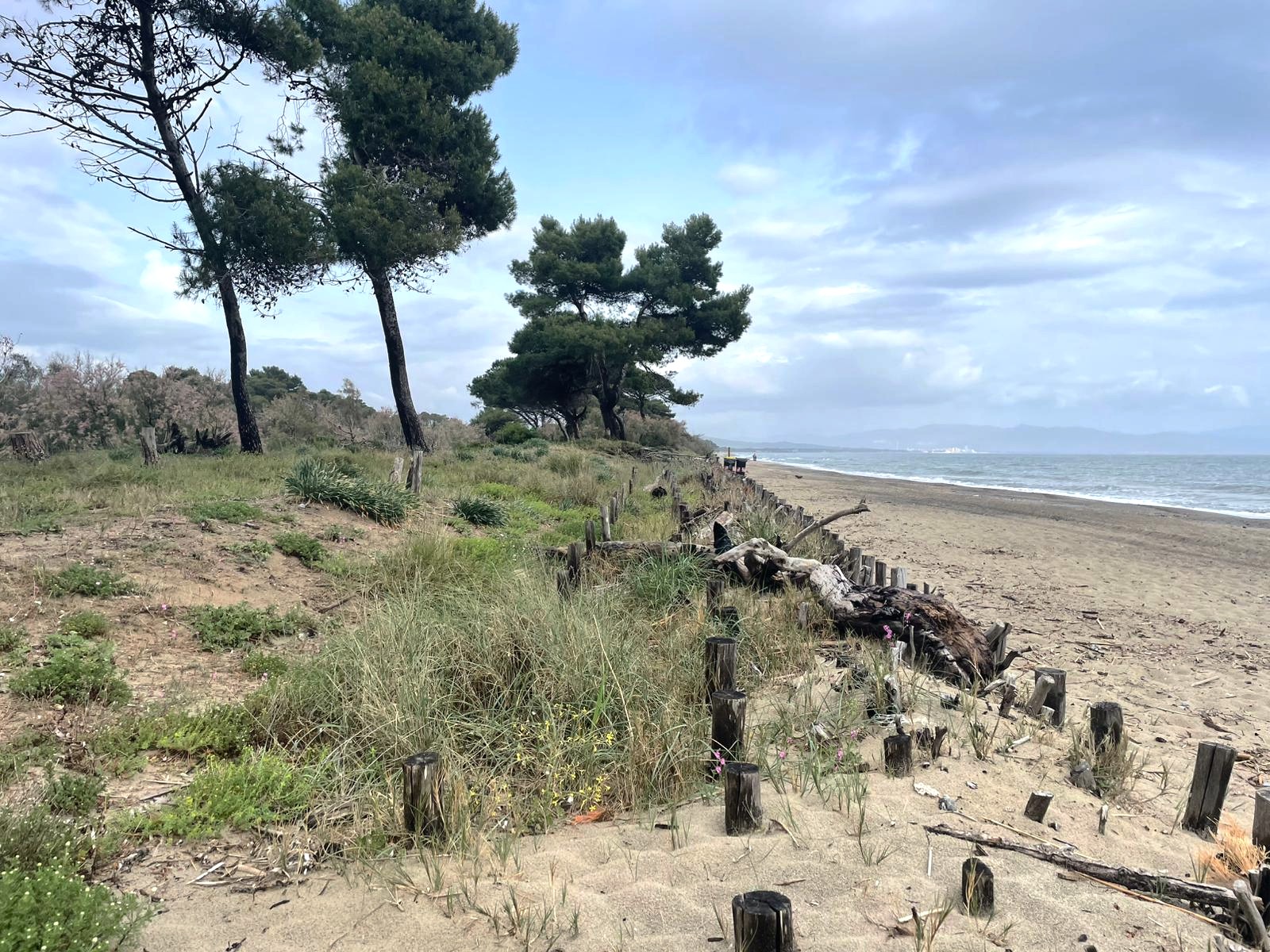
The dunes are the first natural defence against erosion. The project covers over 400 hectares across Italy and Greece, using low-impact natural engineering techniques: barriers made of chestnut poles and bundles of Arundo donax (common reed) to trap the sand, restore the dune profile and protect the pioneer vegetation.
In order to protect the Posidonia oceanica seagrass meadows, which is a vital habitat in the Mediterranean, we are implementing innovative management plans in Puglia, in the Torre Guaceto Nature Reserve, and along the coast of Calabria. By installing sustainable mooring systems, we are eliminating the damage caused by illegal anchoring, whilst direct collaboration with local fishermen enables us to reduce fishing pressure, ensuring the regeneration and health of marine ecosystems.
In order to reverse the processes of degradation of psammophilous habitats, the project implements ex situ conservation protocolsex situ through the systematic collection of native germplasm from target sites. The biogenetic material is transferred to specialised propagation centres for the mass production of over 15,000 individuals belonging to taxa key to the structural stability of the dunes, including Juniperus spp. and Ammophila arenaria. Nursery production adheres to strict quality standards to ensure the maintenance of genetic variability and resilience within the populations. The specimens produced are subsequently reintroduced through planting initiatives aimed at restoring the typical vegetation zones and consolidating the dune substrates, thereby promoting the restoration of ecosystem functionality and related environmental services.
To combat the threat posed by invasive alien plant species (IAPS), the project employs an advanced system of Automatic Risk Assessment (ARA) which enables the mapping of the spread of critical species such as Acacia saligna, Ailanthus altissima andCarpobrotus spp., precisely targeting interventions where the risk to native biodiversity is greatest. This smart monitoring strategy guides direct eradication operations at 8 target sites, where low-impact manual and mechanical protocols are applied to remove invasive plants whilst respecting the soil and local fauna. Each cleared area is subsequently restored through the planting of native species, creating a natural barrier to prevent further colonisation and restore the integrity of the dune ecosystems
Il progetto LIFE terrAmare mette al centro il fattore umano per garantire una tutela duratura delle coste attraverso la creazione di 9 Ecological Beach Communities (EBC) tra Italia e Grecia. In queste comunità, cittadini, operatori balneari e turisti diventano custodi attivi del territorio partecipando a programmi di formazione e attività di monitoraggio partecipato. Parallelamente, uniamo le forze istituzionali attraverso il Patto per la Costa: un portale dedicato raccoglie l’impegno formale di comuni, enti parco e gestori locali per adottare politiche comuni di salvaguardia, trasformando i siti Natura 2000 in modelli di eccellenza nella gestione integrata e sostenibile delle spiagge.
The LIFE terrAmare project builds a strategic bridge between environmental conservation and the business world through the development of a digital platform dedicated to the market for Ecosystem Services (PES). This innovative tool enables companies to invest in certified conservation projects – such as the protection of Posidonia seagrass meadows or dune restoration – offering concrete solutions to improve their Environmental, Social and Governance (ESG). Thanks to a transaction traceability system and rigorous assessment protocols (TAN/TRAS), the platform ensures that every investment generates a tangible and measurable environmental impact, transforming the protection of coastal biodiversity into an opportunity for sustainable development and corporate reputation for private investors.
Easy to use features
Join a friendly community
Join a friendly community
Join a friendly community
The LIFE Programme is the European Union’s financial instrument dedicated exclusively to the environment and climate action. Since 1992, LIFE has been a catalyst for positive change, co-financing thousands of projects across Europe and supporting the implementation of the European Green Deal.
The overall objective of LIFE is to contribute to the transition to a clean, circular, energy-efficient, low-carbon and climate-resilient economy. The programme aims to protect, restore and improve the quality of the environment, halting and reversing the loss of biodiversity.
For the period 2021–2027, the programme has a budget of approximately 5.4 billion euros, divided into four areas of action:
Environment section:
- Nature and Biodiversity: (The sector in which LIFE terrAmare operates) aimed at protecting and restoring Europe’s natural environment and halting the loss of biodiversity
- Circular Economy and Quality of Life: to facilitate the transition to a sustainable economy and improve resource management
Climate Action Area:
- Climate Change Mitigation and Adaptation: to support the implementation of the 2030 energy and climate policy framework
- Transition to Clean Energy: aimed at accelerating energy efficiency and the uptake of renewable energy.
In addition to direct conservation, the added value of the LIFE programme lies in its ability to test innovative and replicable solutions across Europe, bridging the gap between EU legislation and the real needs of ecosystems and local communities.

The Natura 2000 network is the largest network of protected areas in the world and forms the beating heart of the European strategy to protect nature. Established by the European Union through the “Habitats” and “Birds” Directives, this network is not made up of isolated reserves, but of a collection of land and marine areas meticulously selected for their incredible biodiversity. Its aim is not to ‘fence off’ nature, but to promote a model of coexistence where human activities, such as agriculture or tourism, coexist in harmony with the protection of rare plants and animals. To date, Natura 2000 covers around 18% of the EU’s land area and a large part of its seas, safeguarding precious habitats that are also fundamental to our quality of life.
The LIFE terrAmare project operates specifically within this wider European framework. All the areas where we are active in Italy and Greece are officially recognised as Natura 2000 sites. This means that our work to protect coastal dunes and seabeds directly contributes to strengthening this network, safeguarding the beauty and health of our coasts for future generations.
To find out where these natural treasures are located and explore protected sites across Europe, you can visit the official Natura 2000 Network portal.
Handpicked Articles
Selection of our best topics in the blog.
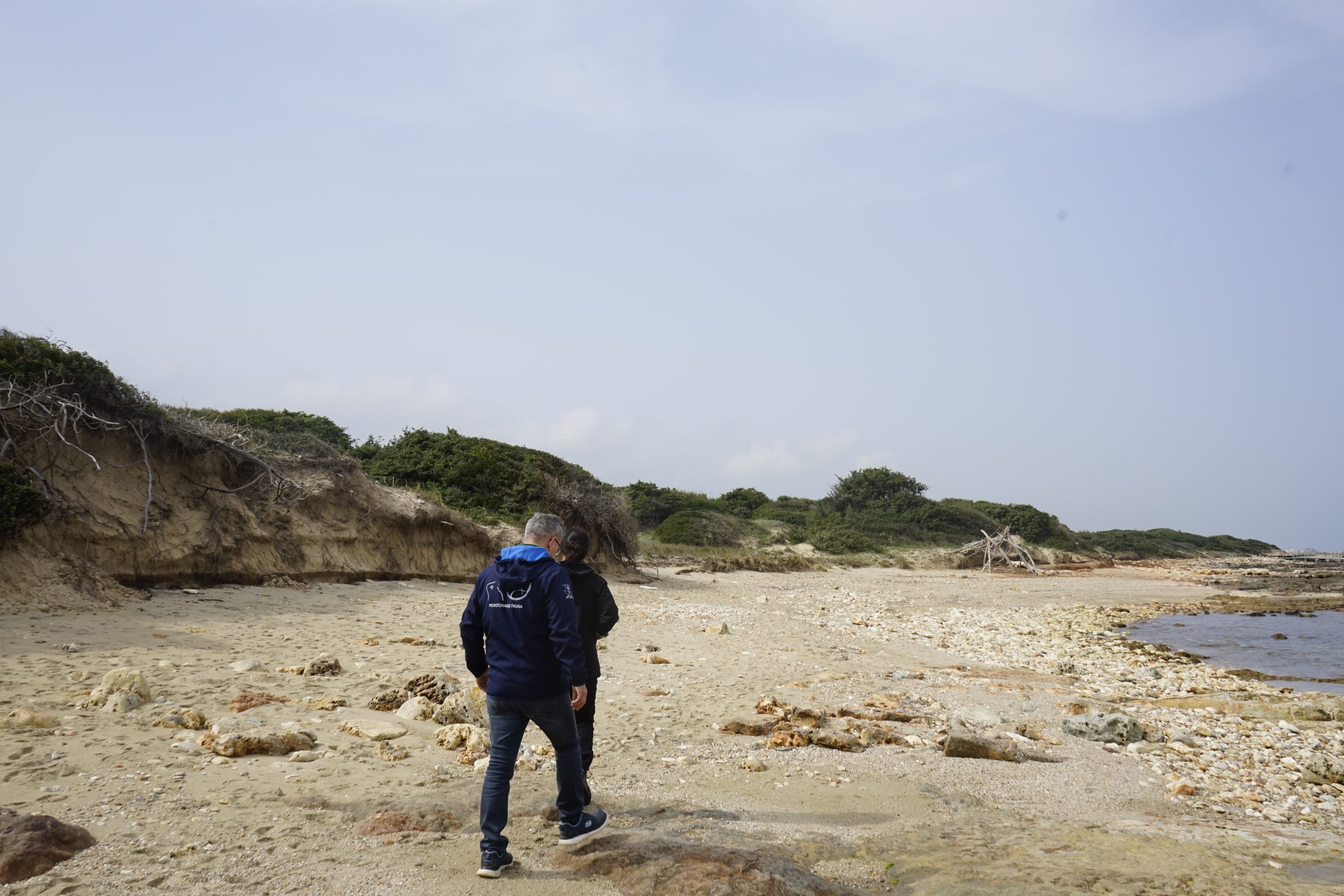

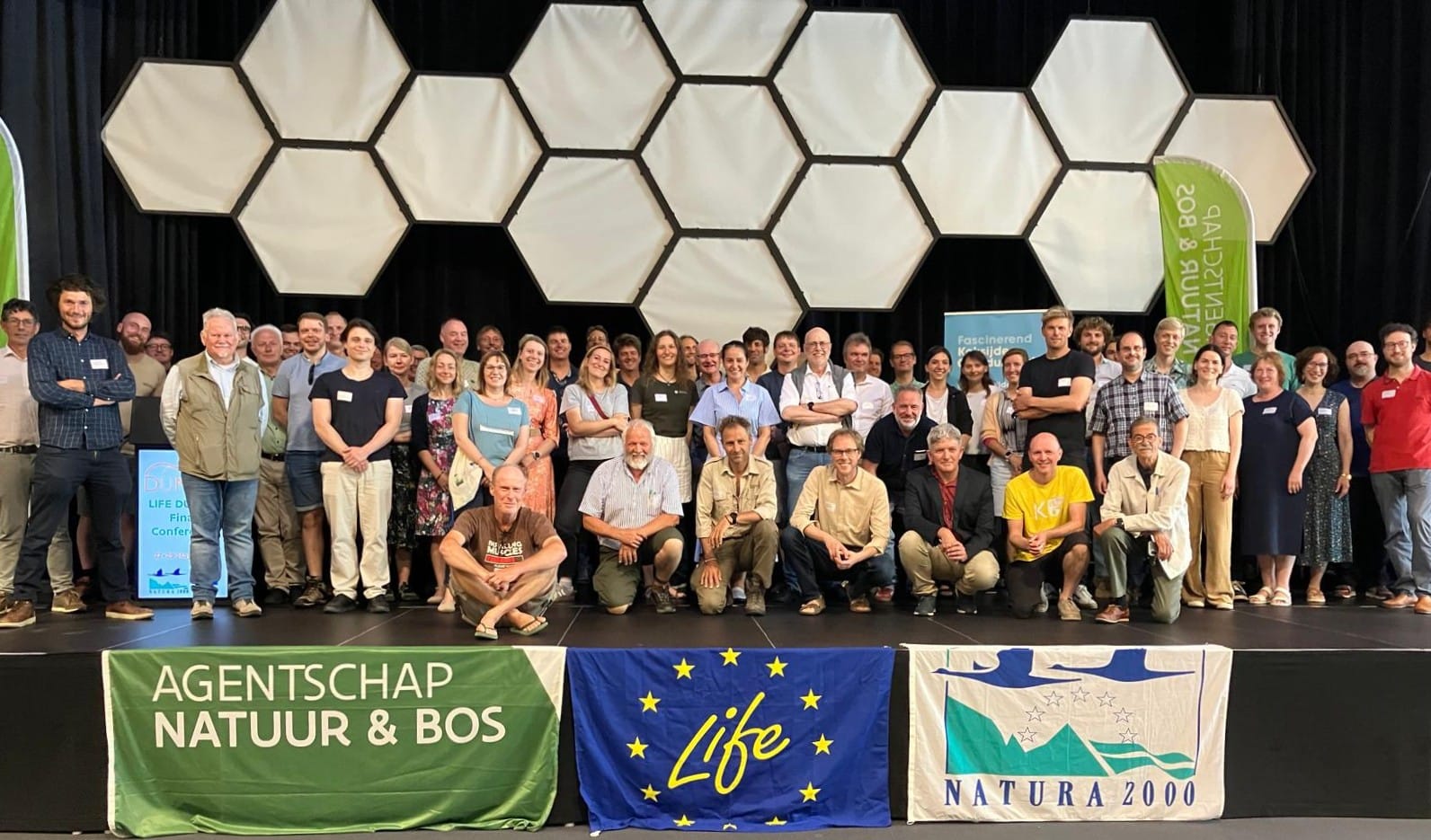
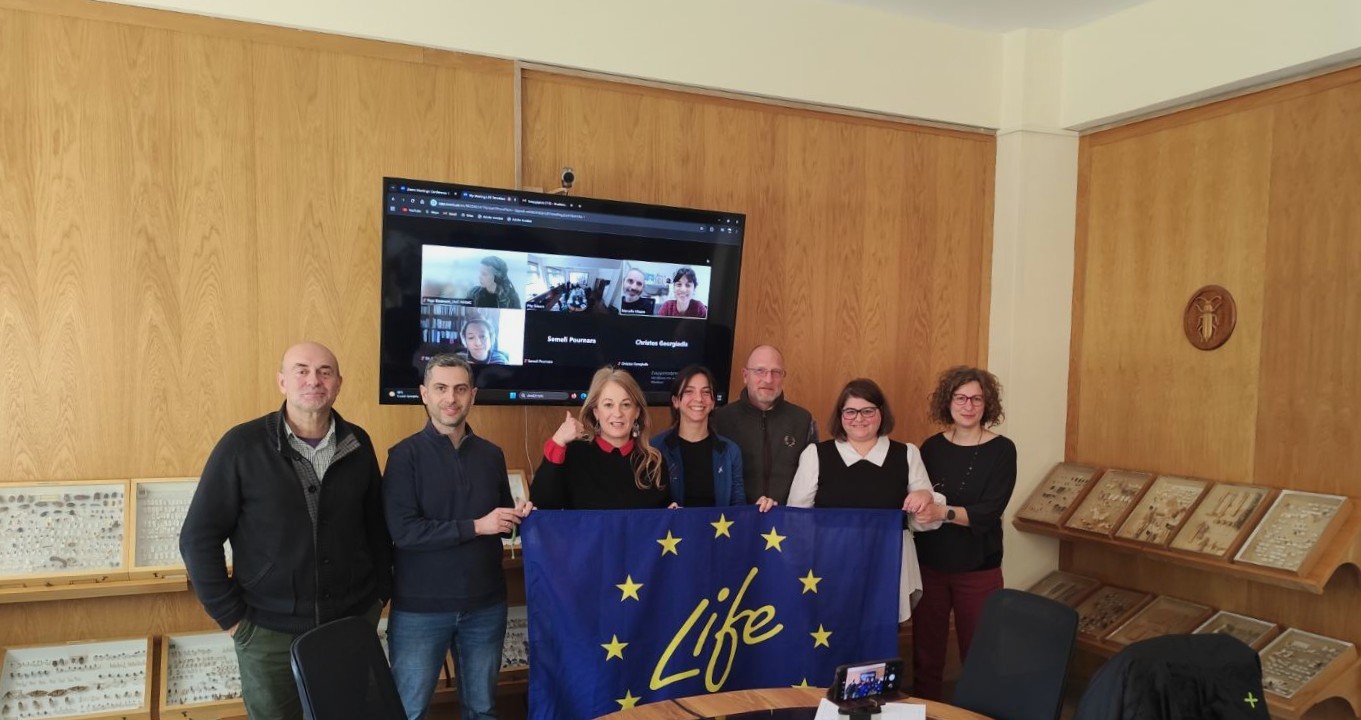
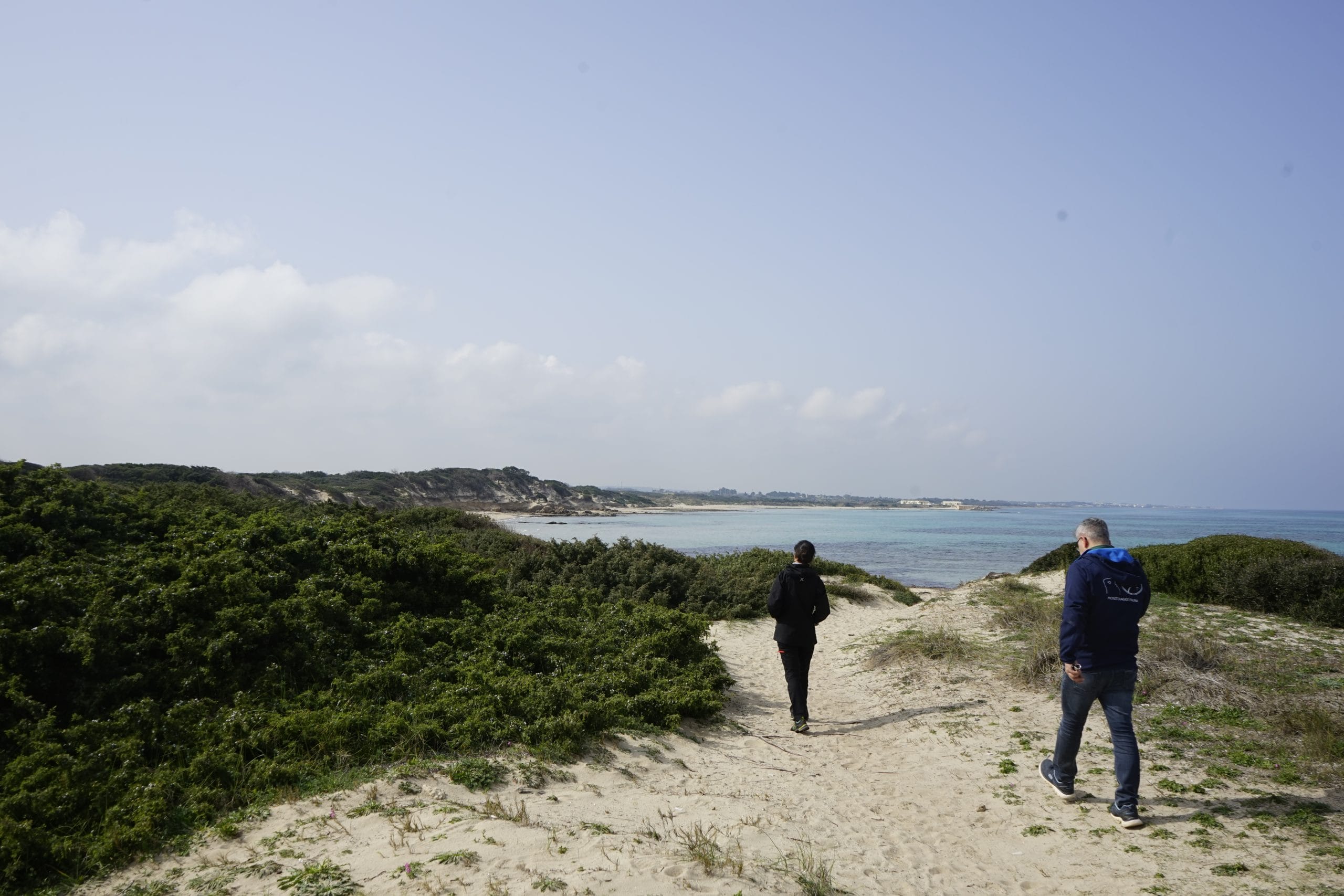
LIFE terrAmare addresses the human and climate pressures threatening coastal ecosystems through a model that combines ecological restoration with active community involvement: biodiversity conservation is only possible when the local community becomes a conscious guardian of its own territory

Write here to get in touch with us:
Do you have a question?
Pop it in the box below and we’ll get back to you as soon as possible
Partners:
Essentials by pixfort © All rights reserved