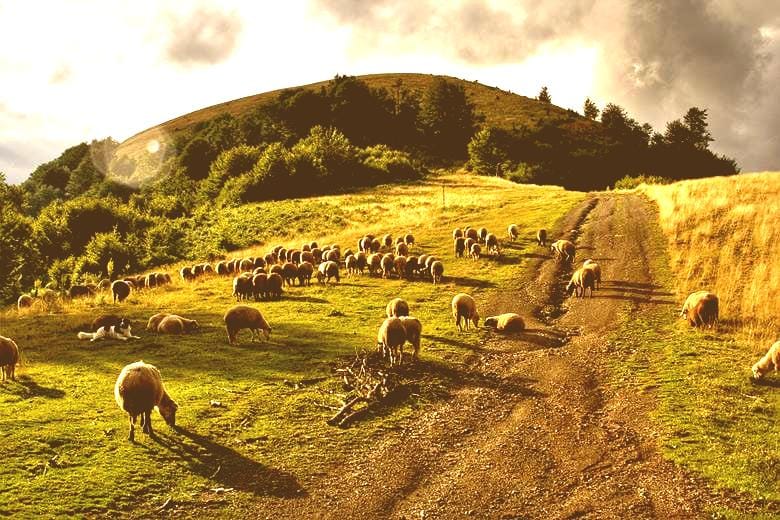
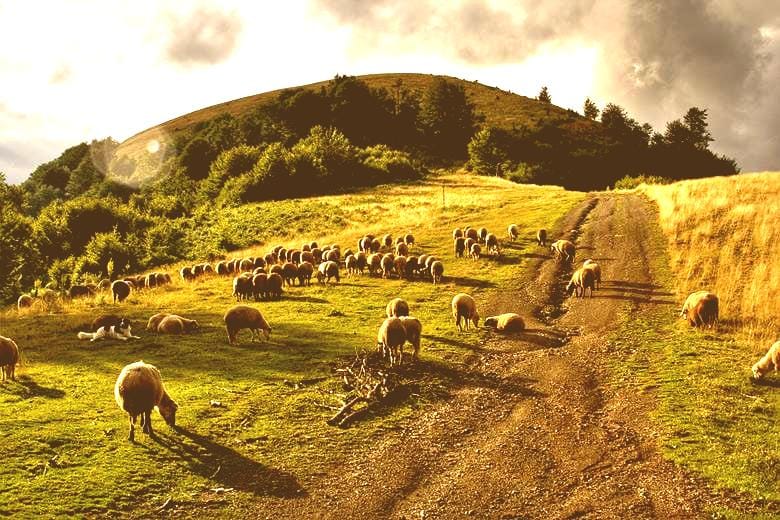

The EU4SUPA project continues to contribute to the European debate on the future of sustainable pastoralism. Following the recent publication of an article on Sinor.BG discussing the role of grazing livestock in reducing wildfire risks, Assoc. Prof. Atanas Vuchkov from the Department of Animal Sciences at the Agricultural University of Plovdiv and EU4SUPA project partner shared his insights on the current state of pastoral livestock farming in Bulgaria and across Europe.The interview highlights that extensive grazing is not an innovative practice in Bulgaria but rather a centuries-old tradition that has shaped rural landscapes, local communities and food production systems. However, this traditional farming model is currently facing significant challenges, including labour shortages, increasing bureaucracy, environmental restrictions and limited market opportunities for small and medium-sized farms.Drawing on the experiences exchanged within the EU4SUPA – European Union for Sustainable Pastoralism partnership, Assoc. Prof. Vuchkov underlined the importance of learning from different European contexts. The interview refers to examples from Spain, where grazing livestock contributes to wildfire prevention by reducing combustible vegetation, and from Romania, where mountain grazing continues to support rural development and the conservation of traditional sheep farming systems.The interview further highlights the objectives of the EU4SUPA project, which brings together partners from Spain, Italy, Bulgaria, Romania and Austria to strengthen sustainable pastoralism through vocational education and training. Running from November 2025 to April 2028, the project aims to develop an innovative training programme, establish Pasture and Rangeland Labs across Europe, and create a European network connecting pastoralists, educators, researchers and policymakers.👉 The whole interview in Bulgarian: Assoc. Atanas Vuchkov: Pasture animal husbandry in Bulgaria and Europe is in total collapse | News