
- Limited representation and recognition: pastoralists often struggle to influence decisions. The sector can be overlooked, and its environmental and territorial contributions are not always properly valued.
- Difficult generational renewal: few young people enter or remain in the sector, putting practical skills and traditional knowledge at risk.
- Demanding working conditions: heavy workloads, limited free time and isolation make it difficult for pastoralists to leave their animals to attend meetings or take part in collective activities.
- Economic vulnerability: low profitability, difficulty retaining value along the supply chain, and the need for fair support for the public benefits grazing provides.
- Regulatory and administrative barriers: complex or poorly coordinated rules and procedures that may not suit extensive and transhumant systems.
- Challenges in accessing and managing land: fragmented land, restrictions on mobility and access to grazing areas, and limits that can obstruct traditional practices.
- Environmental and management pressures: climate change, drought and land degradation. At the same time, the abandonment of grazing can lead to scrub encroachment and increase some risks to biodiversity and landscapes.
- A fragmented sector and insufficient collaboration: internal divisions and weak networks make it harder to organize joint action and bring pastoralists’ concerns to decision-makers.
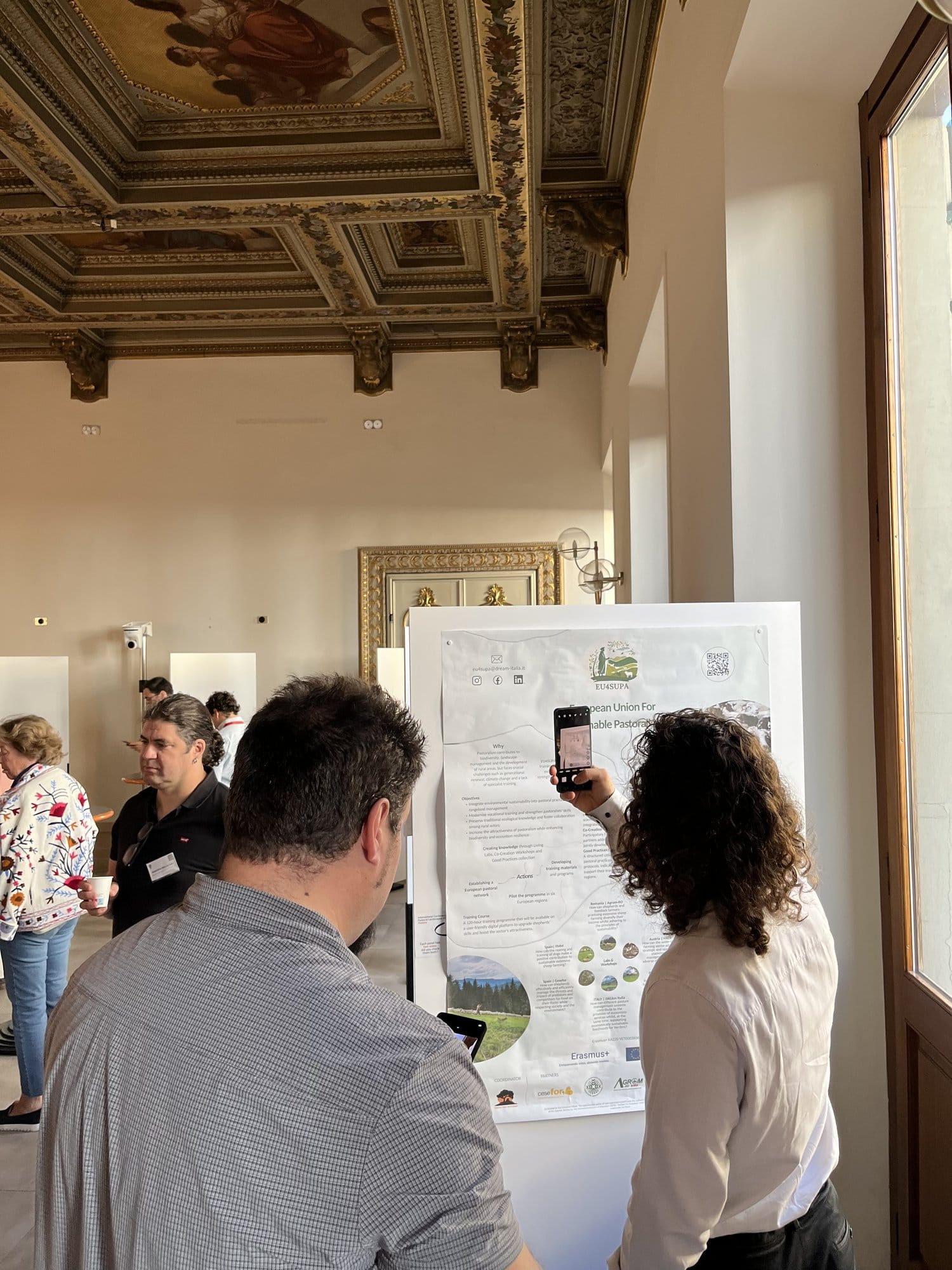
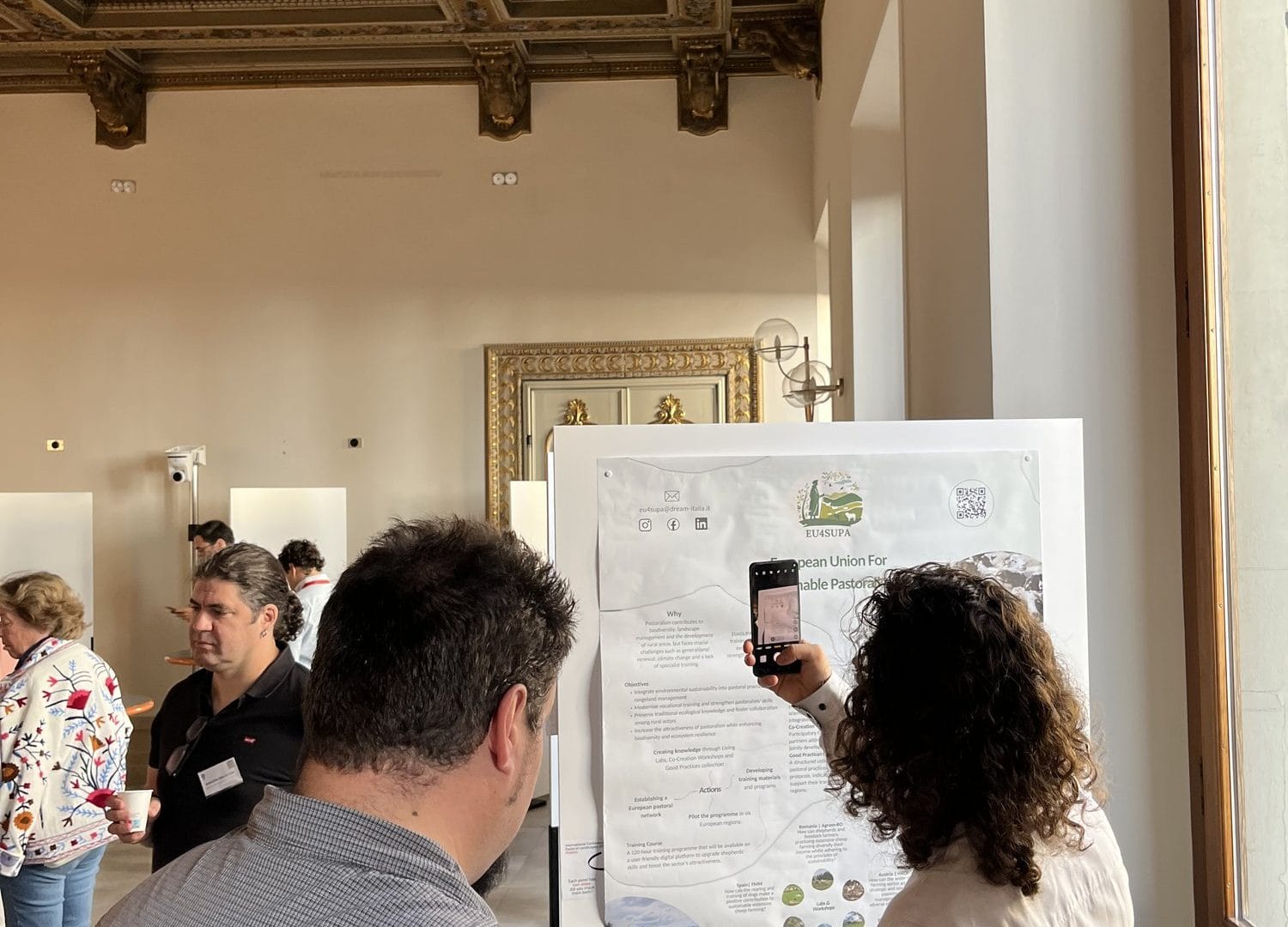
On 23 and 24 September 2026, EU4SUPA took part in Florence in “Pastoral Landscapes 2026,” the third international conference of the LIFE ShepForBio project. The event brought together shepherds, researchers, public institutions, policymakers and European networks to discuss the future of pastoralism in Europe.The two days offered an opportunity for dialogue and knowledge exchange at a particularly significant time: 2026 is the International Year of Rangelands and Pastoralists. The conference helped highlight pastoralism’s contribution to caring for landscapes and strengthen collaboration among those working in, researching and supporting the sector.Overall, the main argument, and a cross-cutting issue, emerged on both days of the conference: the sustainability of pastoralism depends not only on ecological management, but also on whether pastoralists can make a living, work in the sector, access land and take part in decisions.Some of the outcomes of the discussions held over these two days are listed below. These topics should serve as a call to action to safeguard the future of pastoralism and to recognize it not only as a livelihood, but also as a profession in which pastors act as landscape managers.