European Union For Sustainable Pastoralism
Erasmus+ KA220 VET000360691
European Union For Sustainable Pastoralism
European Union For Sustainable Pastoralism
In short
Why
Pastoralism contributes to biodiversity, landscape management and the development of rural areas, but faces crucial challenges such as generational renewal, climate change and a lack of specialist training
When
From November 2025 to April 2028
What
EU4SUPA develops innovative training tools and promotes the exchange of knowledge to strengthen sustainable pastoralism in Europe
Where
Spain, Austria, Romania, Bulgaria, Italy

- Integrate environmental sustainability into regular pastoral practices.
- Modernise vocational training in pastoralism.
- Strengthen the skills of pastoralists and key stakeholders in rangeland management.
- Preserve and transfer traditional ecological knowledge.
- Foster collaboration among rural actors and rangeland managers.
- Increase the attractiveness of pastoralism as a sustainable profession.
- Enhance the environmental impact of pastoral practices on biodiversity and ecosystem resilience.
Knowledge creation takes place through:
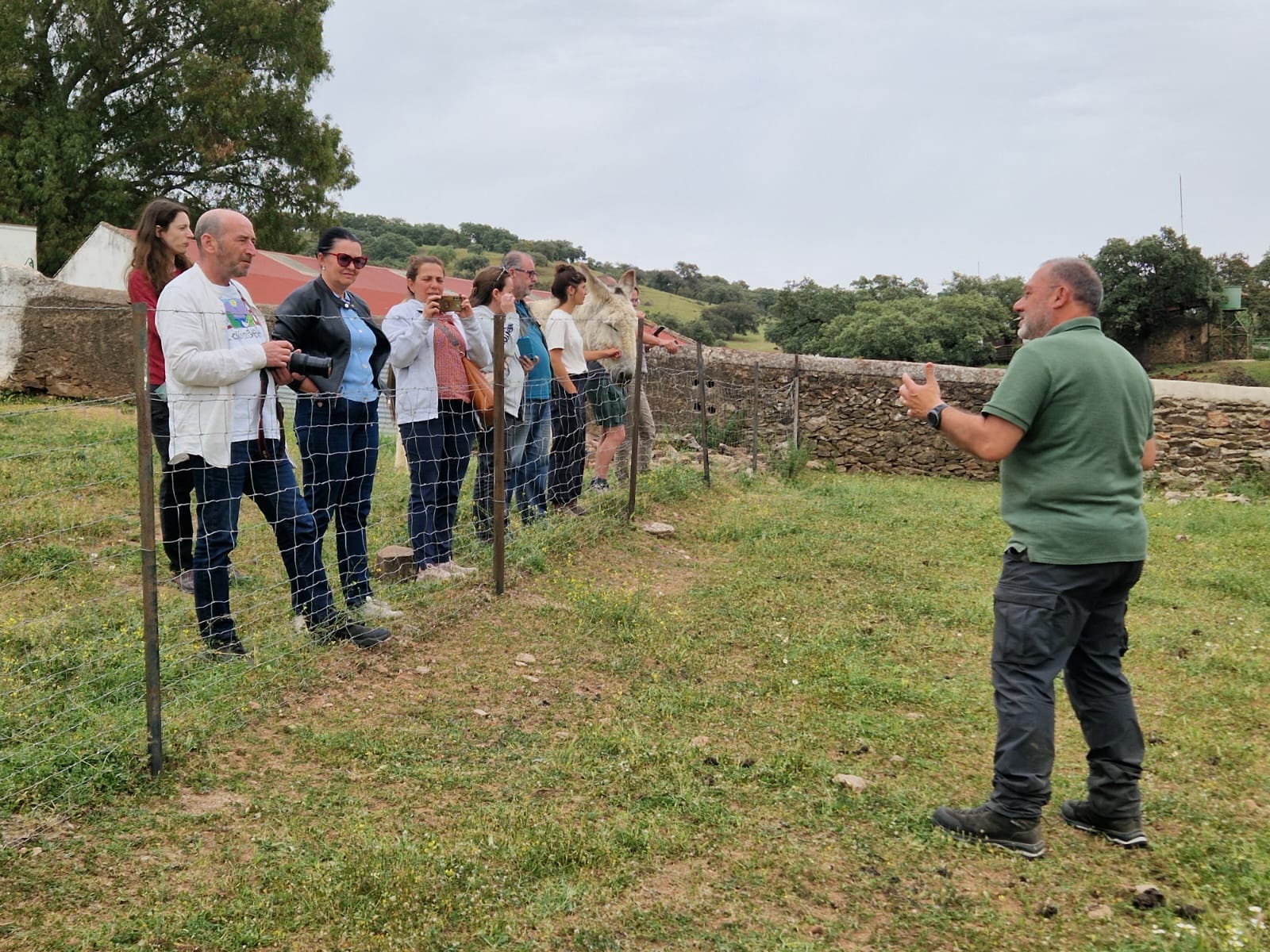
Pasture and Rangeland Labs: These focus on shepherds, livestock farmers and other local actors to value the wealth of practical knowledge developed over time. Through field meetings, the project gathers experiences, traditional knowledge and local innovations related to the sustainable management of pastoral systems, building collaboration networks between farms, communities and stakeholders.
Co-Creation workshops: Co-creation workshops foster dialogue between local and scientific knowledge. Through participatory discussion sessions, participants address the challenges and opportunities of contemporary pastoralism, identifying training needs and knowledge gaps to be further explored within the project.
Collection and documentation of Good Practices: The project identifies, analyses and documents European good practices related to the sustainability of pastoralism. Each practice is described through operational protocols, measurable indicators and results achieved, creating a shared and transferable knowledge base for different regional contexts.
The material gathered will be used to create a 120-hour training programme on sustainable sheep farming, designed for EQF Level 4 and integrated with the European GreenComp framework.
The knowledge gathered during the Living Labs, workshops and analysis of good practices is channelled into a structured programme that integrates traditional and scientific knowledge, addressing topics such as environmental sustainability, biodiversity, pasture management and adaptation to climate change. The aim is to provide practical tools to strengthen shepherds’ skills and increase the attractiveness of the pastoral sector.
The training course will be made available to everyone via a user-friendly digital platform, where the curriculum will be transformed into an interactive and easily accessible training programme. The platform will include digital tools to encourage independent learning, improve user engagement and ensure the content can be used in a variety of geographical and educational contexts.
The programme will be trialled in two regions of Spain, as well as in Italy, Austria, Bulgaria and Romania. It will involve shepherds, livestock farmers, vocational trainers and sustainability experts, with the aim of assessing the quality of the content, the functionality of the digital platform and the course’s ability to meet the real needs of the pastoral sector.
The pilot phase will enable the assessment of the effectiveness of the training activities in different local contexts, by collecting quantitative and qualitative data through questionnaires, self-assessment tools, interviews and participant feedback. Aspects such as skills acquisition, the level of engagement, the accessibility of the content and the usability of the platform will be analysed.
Based on the results obtained, the partnership will make improvements to the teaching materials, digital tools and training methodologies, ensuring that the programme is scientifically sound, user-friendly and adaptable to different European contexts.
Shepherds, livestock farmers, employees, managers, owners, and members of livestock cooperatives;
Vocational education and training (VET) providers and higher education institutions (e.g., agricultural schools, etc.);
Local communities;
Regional, local, national, and international authorities;
Other organisations supporting agriculture (associations, chambers of commerce, etc.);
Research institutes and environmental experts, such as specialists in sustainable agriculture, biodiversity conservation, and rural development;
General public interested in pastoralism.
The network will facilitate long-term collaboration between vocational training providers, shepherds, researchers and institutions, ensuring that best practices in sustainable pastoralism are continuously exchanged and integrated into training programmes and regulatory frameworks.
 Erasmus+ is the European Union programme dedicated to supporting education, training, youth and sport.
Erasmus+ supports organisations, educational institutions, training providers, enterprises and associations through projects that foster lifelong learning, mobility, transnational cooperation and the exchange of good practices. All programme activities contribute to the European Union’s objectives regarding social inclusion, the green transition, digital transformation and active citizenship.
The Vocational Education and Training (VET) sector encompasses vocational education and training, meaning all activities aimed at developing practical, technical and professional skills required by the labour market and society.
Within Erasmus+, VET supports collaboration between vocational training providers, enterprises, research centres, civil society organisations and public authorities to develop new training pathways, innovative methodologies and teaching tools capable of responding to the real needs of territories and productive sectors.
VET projects also promote:
work-based learning;
the strengthening of green and digital skills;
social inclusion and equal opportunities;
cooperation between the worlds of education and work;
the recognition and validation of professional skills at European level.
Labs & Workshops
Living Labs and Co-Creation Workshops to gather and share experiences, traditional knowledge and innovations
SPAIN, Andalusia | FMM
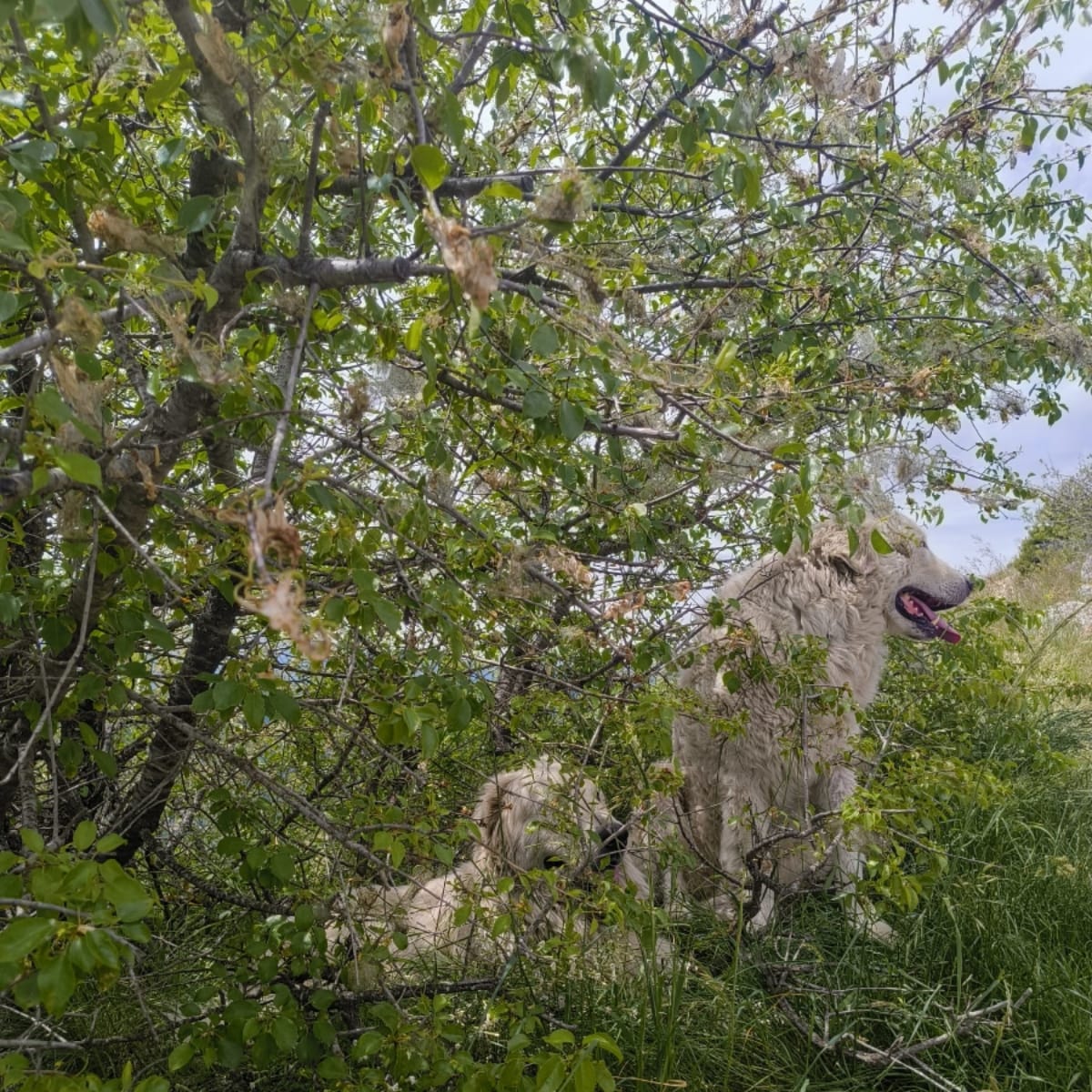
Dogs
How can the rearing and training of dogs (for herding and guarding) make a positive contribution to sustainable extensive sheep farming?
AUSTRIA | HAUP
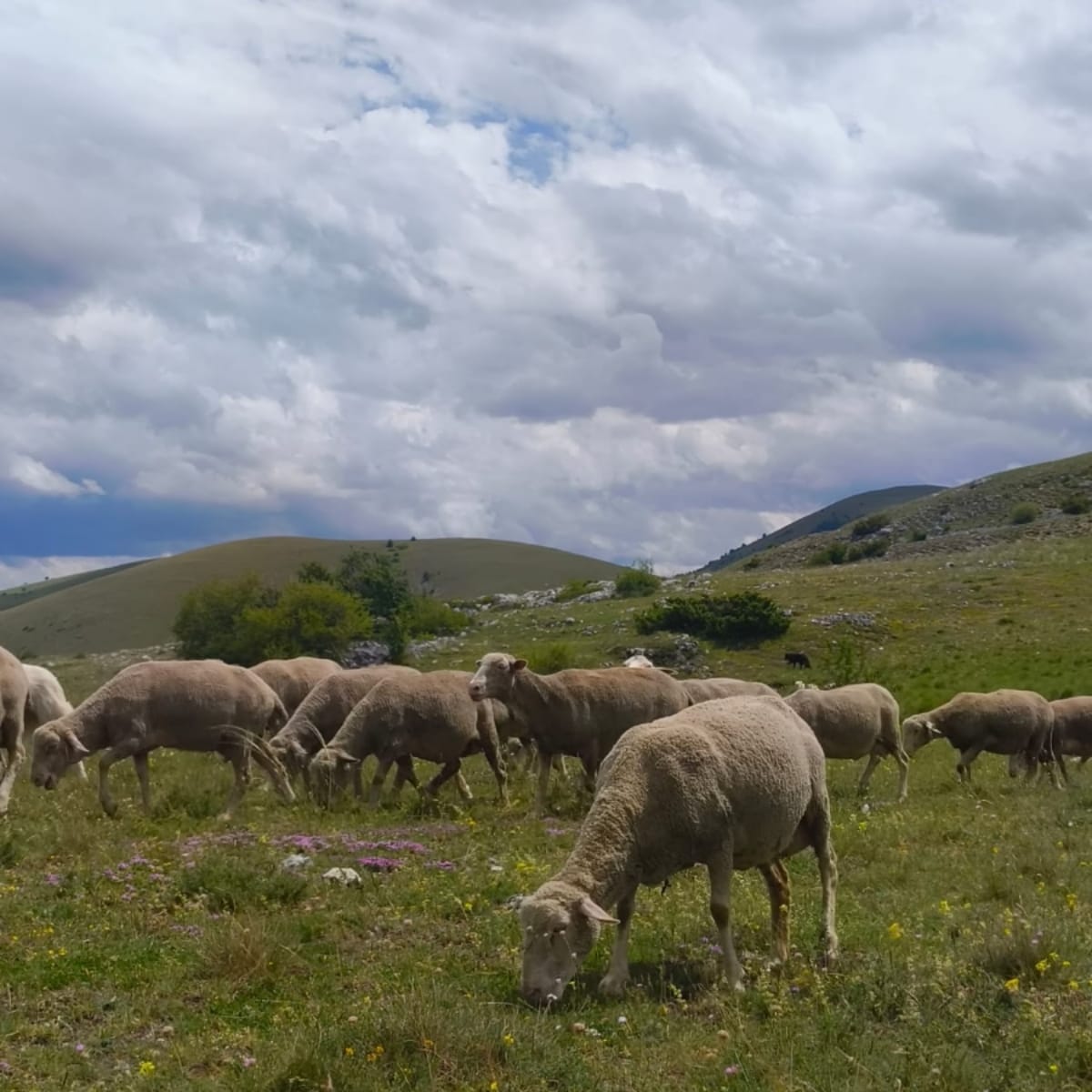
Climate change adaptation
How can the wider sheep farming sector adapt its strategic and operational planning and management to the adverse effects of climate change?
ROMANIA | AgromRO
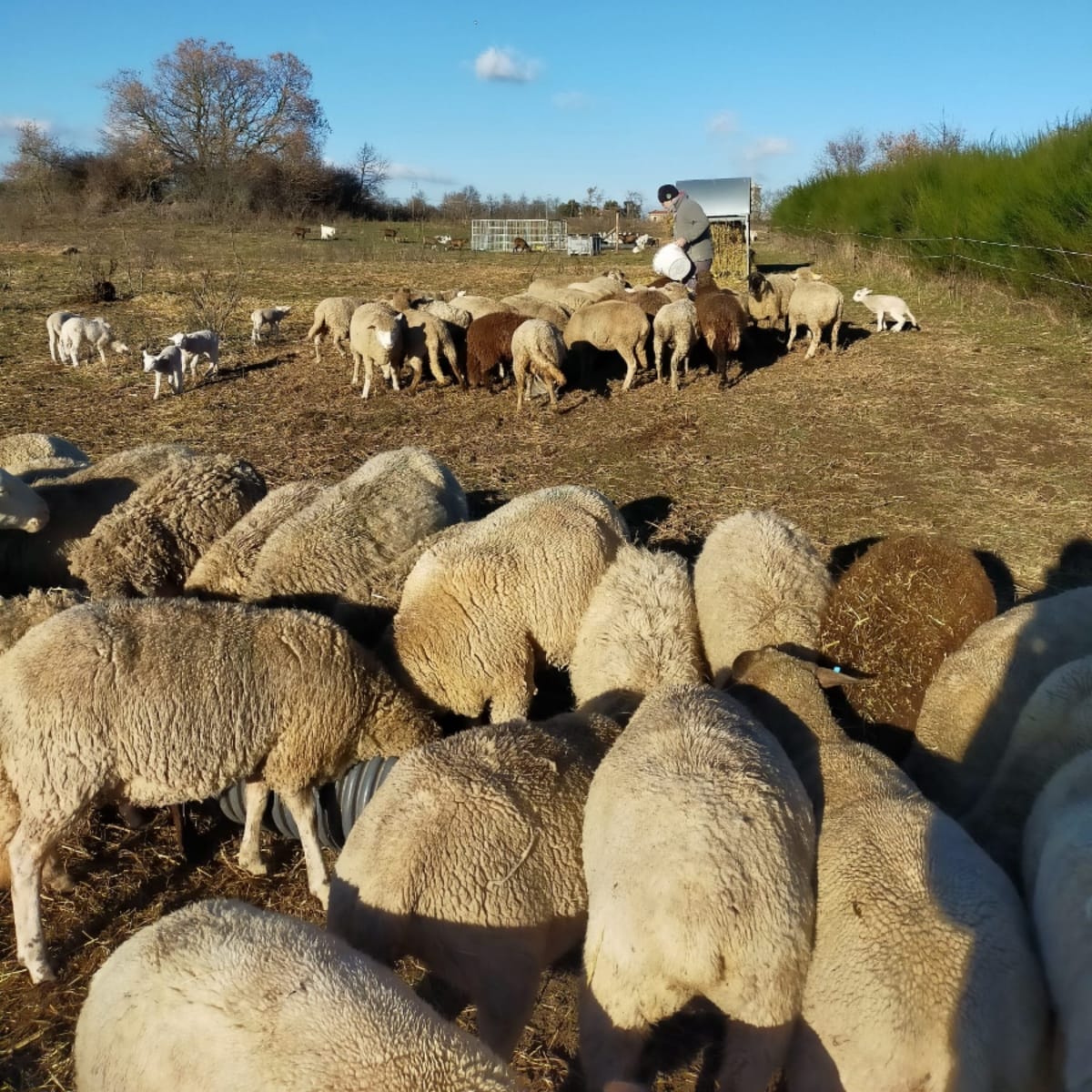
Diversifying income through sustainable sheep products
How can shepherds and livestock farmers practising extensive sheep farming diversify their income whilst adhering to the principles of sustainability?
SPAIN, Castilla y León | Cesefor
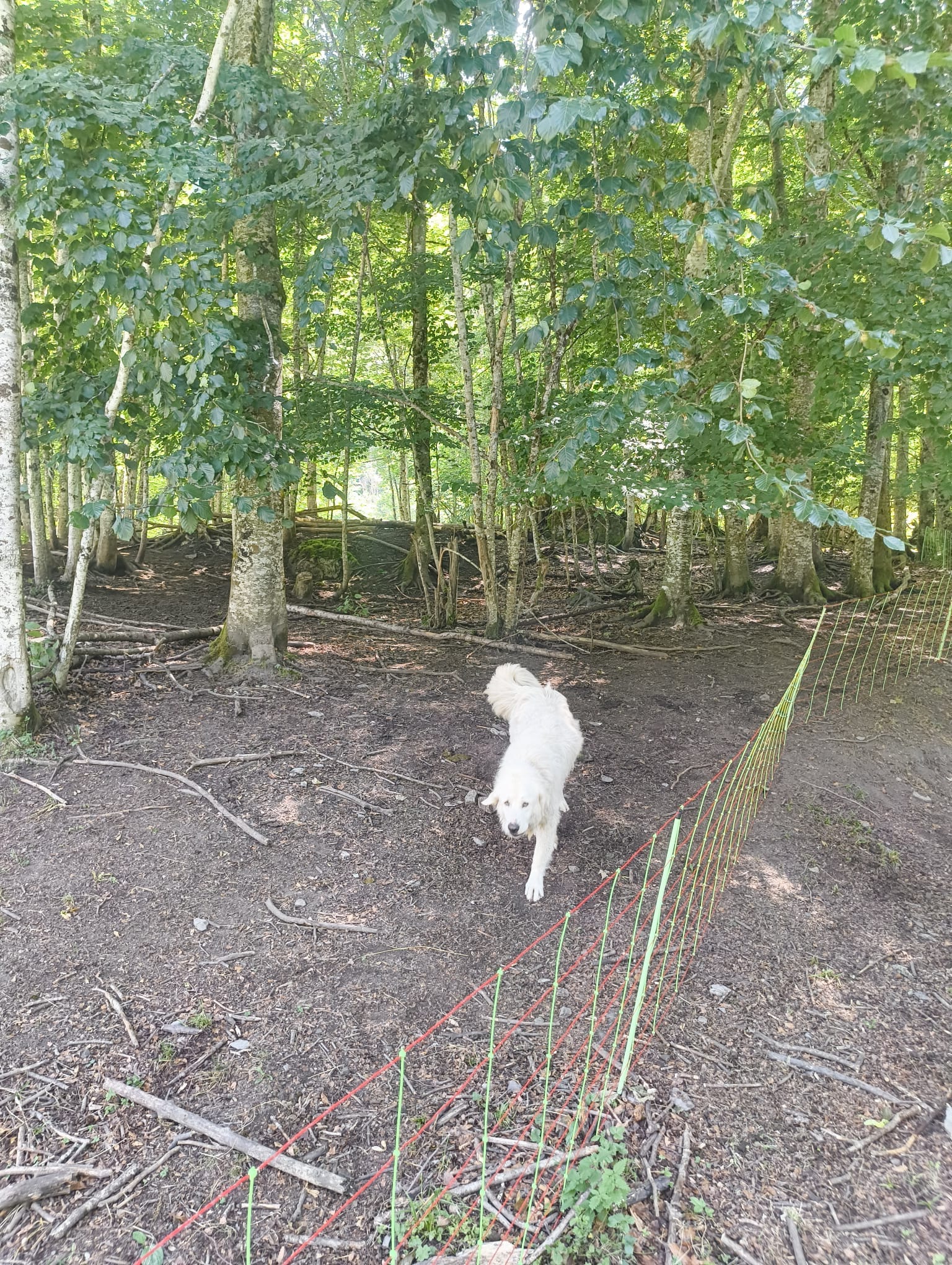
Wildlife and Predator Management
How can shepherds effectively and efficiently manage the threats and impact of predators and competitors for food on their flocks while respecting society and the environment?
BULGARIA | PLOVDIV
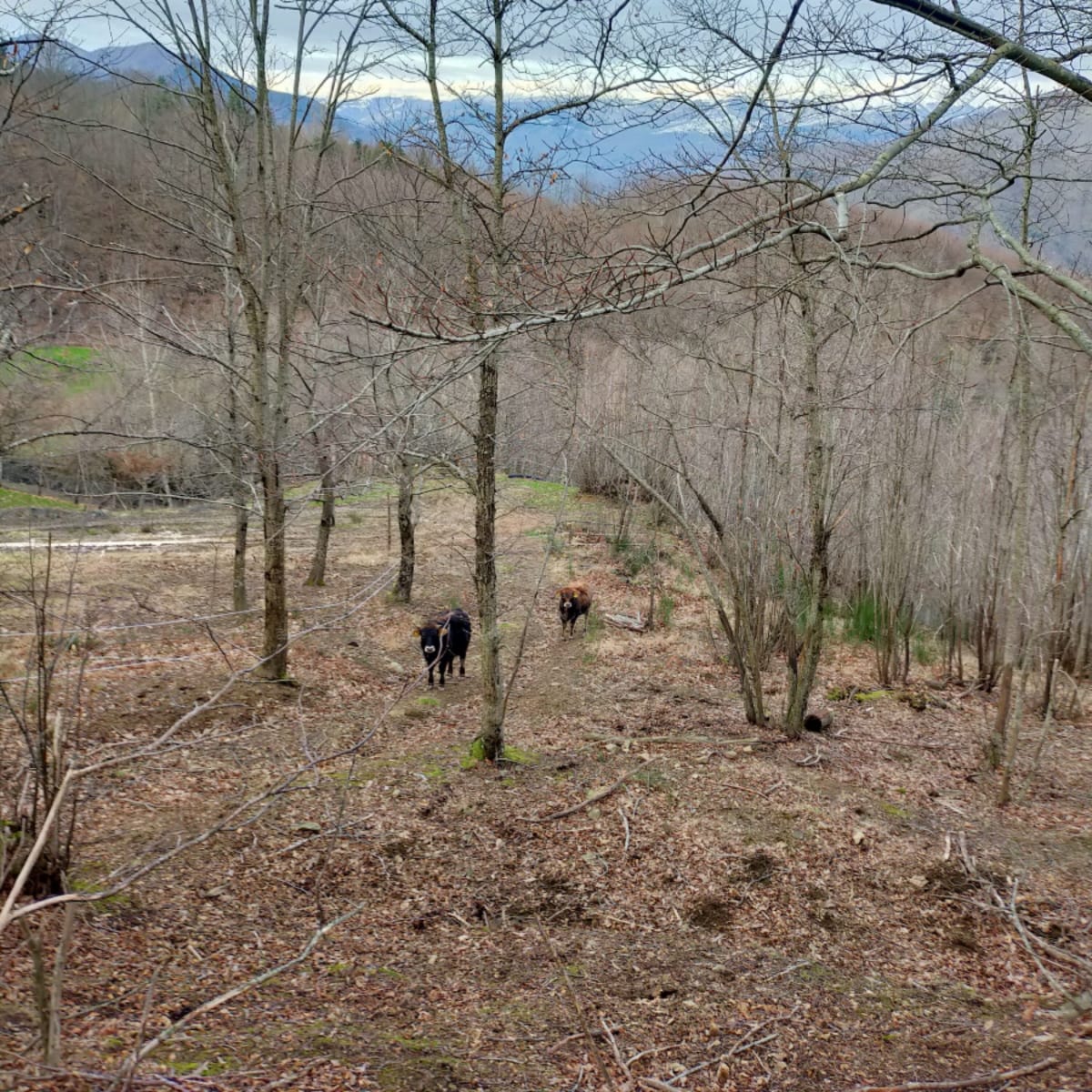
The strength of the group
How can shepherds work together, share knowledge and champion the cause of extensive sheep farming, thereby positively influencing political decision-making, public opinion and their own economic situation?
ITALY | DREAm
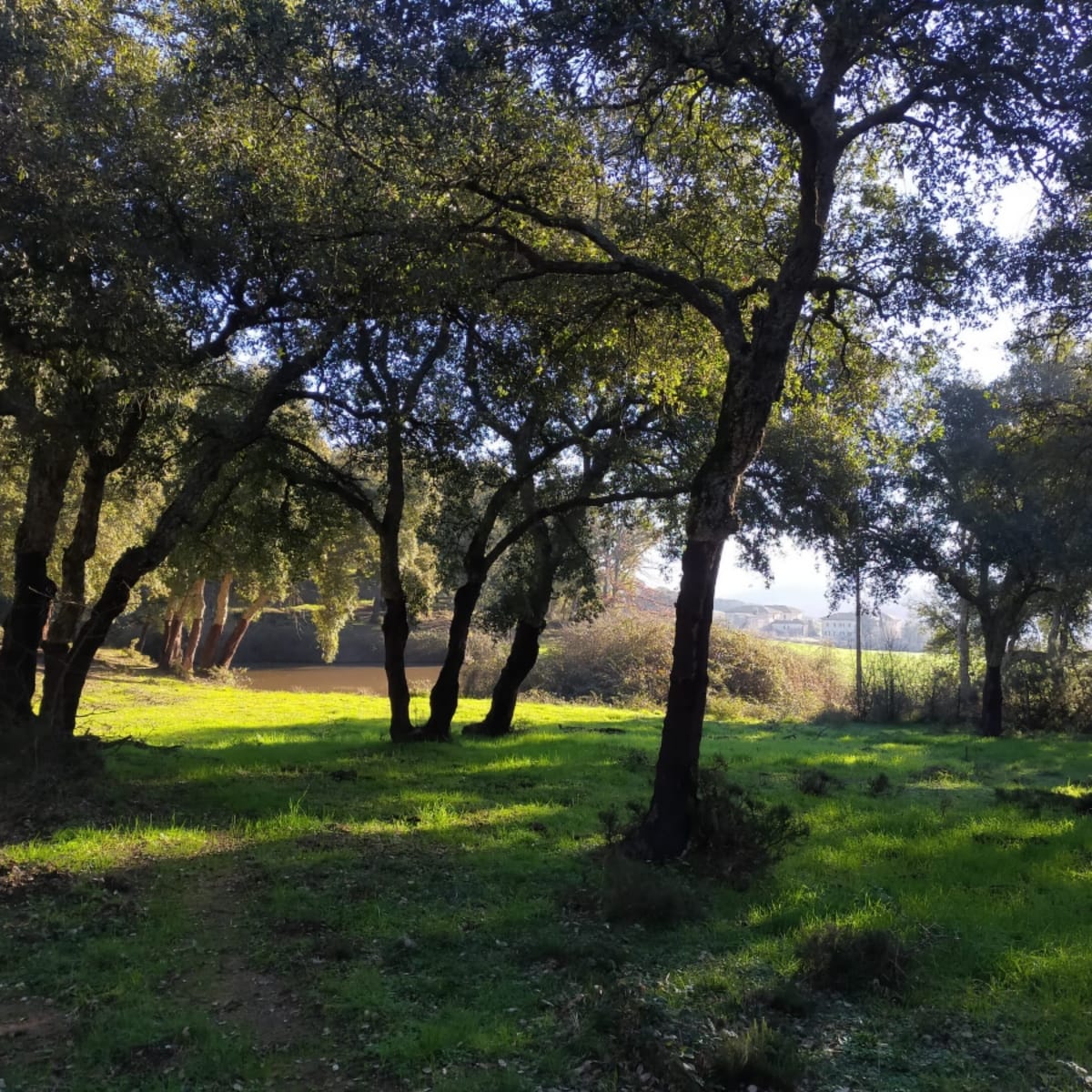
Grazing management
How can different pasture management systems contribute to the provision of ecosystem services whilst, at the same time, supporting economically sustainable livelihoods for herders?
Training course
EU4SUPA will develop a European course on sustainable pastoralism, designed to strengthen the skills of those working in pastoral systems and to provide knowledge to newcomers to the profession. The training pathway will integrate traditional knowledge, scientific evidence and practical tools to address the main environmental, economic and social challenges facing the sector.
The training will be delivered through a blended learning approach, combining online learning and practical activities. Participants will have access to a digital platform featuring multimedia content, downloadable materials, exercises, self-assessments and open educational resources (OERs), complemented by networking opportunities and experiential learning.
During 2027, the materials produced will be made available: training modules, guidelines, good practices, teaching tools and other useful resources to further explore the topics of sustainable pasture management, biodiversity, climate resilience and rural development. Stay tuned for further updates 🙂
News
Project articles
Latest news on the project